The Department of Justice recently dropped a massive amount of documents related to the Jeffrey Epstein investigations. This latest release comes after a missed deadline from Congress, and it’s a big one, with millions of pages, plus videos and images. People have been waiting for this epstein files update, and while a lot is out there now, there are still questions about what might be held back.
Key Takeaways
The DOJ has released over 3 million pages, 2,000 videos, and 180,000 images as part of the latest epstein files update.
This significant document dump follows a missed congressional deadline for the Justice Department.
The released files contain information about Epstein’s associates and correspondence with notable individuals.
While many documents are public, the DOJ has redacted or withheld certain information, citing the need to protect victims’ privacy.
Despite this large release, there’s ongoing public interest and questions regarding any remaining withheld documents and the full scope of the investigation.
Epstein Files Update: DOJ Releases Millions of Pages
Latest Document Dump Under Epstein Files Transparency Act
The Department of Justice has dropped a massive amount of information, really, millions of pages of documents related to the Jeffrey Epstein investigation. This latest release is happening because of the Epstein Files Transparency Act, a law that’s pushing the government to open up these files. It’s been a long time coming, and honestly, a lot of people have been waiting for this.
Millions Of Pages, Videos, And Images Disclosed
We’re talking about over 3 million pages here, plus more than 2,000 videos and a staggering 180,000 images. This is a huge chunk of material, and it’s all being made public. It’s quite the collection, and it adds to what was already released. The total number of pages now out there is getting close to 3.5 million. It’s a lot to sift through, that’s for sure. This release includes documents from various investigations, not just the main Epstein case, but also related ones like Ghislaine Maxwell’s. It’s a pretty wide net they’ve cast.
DOJ Missed Congressional Deadline For Release
Now, here’s a bit of a snag: the Department of Justice actually missed a deadline set by Congress for this release. It was supposed to happen earlier, but they needed more time. Officials said they needed to go through everything carefully to make sure no sensitive information about victims slipped through. So, while the release is finally here, it did come a bit late according to the original schedule. It seems like getting all this sorted out is a really complex job, and they’re trying to balance transparency with protecting people.
Content Of The Latest Epstein Files Release
So, the DOJ dropped a massive amount of new files related to Jeffrey Epstein, and it’s a lot to sort through. This latest batch includes millions of pages of documents, plus over two thousand videos and a staggering 180,000 images. It’s definitely the biggest release so far under the Epstein Files Transparency Act.
Documents Pertaining To Epstein’s Associates
Among the newly released papers are records detailing connections between Epstein and various individuals. One document, for instance, is a chart that maps out relationships with employees and associates. While many names and faces are blacked out, some are still visible, including Ghislaine Maxwell and Epstein’s lawyer, accountant, and assistant. The chart is followed by lists of people categorized by when they were arrested or when arrests occurred in the weeks after. This gives a look into who the government was focusing on.
Email Correspondence With Prominent Figures
We’re also seeing more email exchanges. Some of these show correspondence between Epstein and well-known figures. For example, there are emails involving Elon Musk, and others from across the political spectrum. These communications offer a glimpse into Epstein’s network and his interactions with people in high places. It’s clear he was in touch with a wide range of influential people.
Inclusion Of Videos And Images
Beyond just text documents, this release contains a significant number of visual materials. There are thousands of photographs, many taken from Epstein’s properties in New York and the U.S. Virgin Islands, which the FBI searched after his arrest. Some images show Epstein traveling with former President Bill Clinton, including pictures of Clinton in a jacuzzi and swimming with Ghislaine Maxwell. The sheer volume of these images and videos is immense, and they are part of the ongoing effort to make the files public, though some critics argue they are being selectively released. The focus on visual evidence, like these photos, is part of understanding the scope of the investigation, similar to how detailed data analysis is reshaping fields like autonomous systems.
The sheer volume of these materials, from detailed documents to visual evidence, underscores the extensive nature of the investigation and the wide reach of Epstein’s connections. It’s a complex puzzle with many pieces still being revealed.
Here’s a quick look at the scale of this release:
Documents: Over 3 million pages
Videos: More than 2,000
Images: Approximately 180,000
This dump is intended to shed more light on what the government knew about Epstein’s activities and the people he associated with.
Redactions And Withheld Information
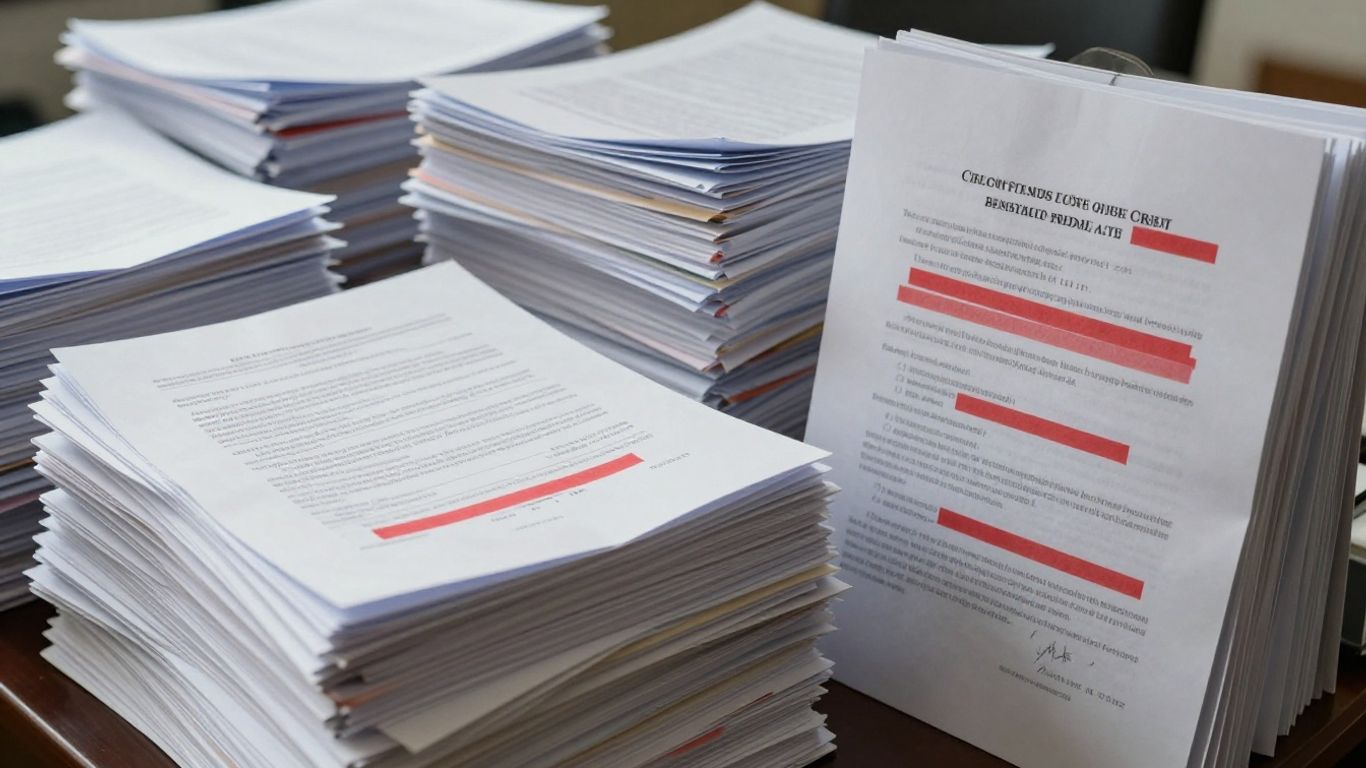
So, the DOJ dropped a massive amount of paper, right? And as expected, not everything is out in the open. They’ve been busy redacting a lot of stuff, and honestly, it’s a bit of a mixed bag.
Protection Of Victims’ Personally Identifiable Information
The main reason they’re giving for blacking out sections is to shield the personal details of victims. This makes sense, nobody wants to see innocent people dragged back into this mess. The Department of Justice stated they coordinated with victims and their lawyers to make sure these redactions were done right. They’ve even set up an email address, EFTA@usdoj.gov, for people to report any mistakes they find. It’s a big job, and they admit there might be errors, which is why they’re asking for help to fix them. It’s a tough balancing act, trying to be transparent while also protecting those who were harmed.
Explanation Of Excluded Content
While the DOJ says they’re protecting victims, the explanation for everything that’s been kept out isn’t exactly crystal clear yet. They mentioned that some sexually explicit material was also redacted, treating all women in those images as potential victims. They also noted that about 200,000 pages were withheld due to various privileges, like attorney-client privilege. It’s a lot of pages, and we’re told a more detailed breakdown for government officials and “politically exposed” persons will come later. It feels like we’re getting pieces of the puzzle, but not the whole picture just yet.
DOJ’s Stance On Redaction Limitations
The Justice Department is pretty firm on their position: they followed the law. They’ve said repeatedly that they didn’t intentionally hide anything related to any specific political figures, including President Trump. Their focus, they claim, was strictly on complying with the Epstein Files Transparency Act and protecting victims. They’ve put hundreds of lawyers on this, working to get it right. It’s a huge undertaking, and they seem to be sticking to their guns about the necessity of these redactions, even if some people feel it’s not enough.
The sheer volume of documents means that even with extensive review, errors in redaction are possible. The department’s stated commitment to correcting these errors highlights the ongoing challenges in balancing public access with victim privacy in such a sensitive case.
Legal Framework For Document Disclosure
The whole process of releasing these Epstein files is governed by a specific law passed by Congress: the Epstein Files Transparency Act. This act lays out what the Department of Justice (DOJ) has to do and when they have to do it. It’s basically the rulebook for this whole operation.
Epstein Files Transparency Act Requirements
This law, signed into effect in late 2025, put a clear mandate on the DOJ. It requires them to make public a huge amount of information related to the Epstein and Maxwell investigations. The goal was to bring more openness about what the government knew and who was involved. The act specifies the types of documents and records that need to be reviewed and eventually released. It’s a pretty detailed piece of legislation, aiming to prevent information from being buried.
DOJ’s Obligations Under The Act
The DOJ’s main job here is to review and release these documents. They were given a deadline, which, as we’ve seen, they missed initially. Their obligation is to go through millions of pages, videos, and images, and decide what can be shared. They have to be thorough, but also careful about what they reveal. This includes identifying and redacting sensitive information, especially anything that could harm victims.
Exceptions For Withholding Sensitive Records
Now, the act isn’t a free-for-all. There are specific reasons why certain records might be kept from the public. These exceptions are important for protecting privacy and ongoing investigations. Common reasons include:
Victim Privacy: Protecting the personally identifiable information of victims and their families is a top priority. This means names, addresses, and other identifying details are usually blacked out.
Legal Privileges: Information protected by attorney-client privilege or other legal privileges is generally not released.
Depictions of Violence: The act allows for the withholding of records that contain graphic depictions of violence.
Unrelated Information: Documents that are not directly connected to the Epstein or Maxwell cases are also excluded.
The DOJ has stated that any withheld information falls into these defined categories, aiming to balance transparency with necessary protections.
Review Process And Departmental Efforts
Extensive Review By DOJ Attorneys
The Department of Justice really put a lot of people on this. We’re talking about over 500 attorneys and reviewers who went through these millions of pages. It wasn’t just a quick skim, either. They had specific instructions to go through everything meticulously. The goal was to get as much out to the public as possible while still following the law and protecting certain information. It sounds like a massive undertaking, honestly.
Ensuring Compliance With Court Orders
On top of the general review, the U.S. Attorney’s Office for the Southern District of New York had a special protocol. This was to make sure they followed a court order. The order required the U.S. Attorney, Jay Clayton, to personally certify that no victim identifying information would be released without being properly redacted. This adds another layer of oversight to the whole process, making sure specific legal requirements were met.
Focus On Protecting Victims’ Rights
When the DOJ attorneys were reviewing the documents, they were given clear directions. The main point was to limit redactions strictly to protecting victims and their families. This meant that even if some images were sexually explicit, they treated the women in them as victims and redacted those parts. The department stated that notable people and politicians were not redacted, suggesting the focus was truly on shielding those who were harmed.
The department’s approach was to err on the side of over-collecting materials. Anything not produced generally fell into categories like duplicates, information protected by legal privileges, or content unrelated to the Epstein or Maxwell cases.
Here’s a quick look at the scale of the review:
Category |
|---|
4 Million Total Pages Reviewed (Approx.) |
3 Million Pages Released in Latest Dump |
| 100,000+ Attorneys and Reviewers Involved |
| 100+ Videos Released |
| 500,000+ Images Released |
Public Reaction And Ongoing Scrutiny
So, the latest batch of Epstein files dropped, and let’s just say the internet is buzzing. People have been waiting for this, and honestly, it feels like a lot of folks are still hungry for more answers. The Department of Justice released millions of pages, videos, and images, but it seems like the thirst for information isn’t quite quenched yet. It’s understandable, given the nature of the case and the powerful people involved.
Hunger For Information Unlikely To Be Satisfied
It’s pretty clear that no matter how many documents get released, some questions will likely remain unanswered. Deputy Attorney General Todd Blanche even mentioned that the “hunger or a thirst for information that I do not think will be satisfied by the review of these documents.” It’s a sentiment many are echoing. While this latest dump is massive, it’s just a piece of the puzzle. The sheer volume of material means sifting through it all is a huge task, and even then, some things might stay hidden.
Concerns Over Remaining Withheld Documents
There’s always that nagging feeling about what’s not being shown, right? The DOJ has stated that certain records are being withheld for various reasons, like protecting victims’ personal details or due to legal privileges. However, the exact scope of what’s being kept under wraps isn’t always crystal clear. This lack of complete transparency fuels speculation and worry among those who want a full accounting of everything. It makes you wonder what sensitive information might still be out of public view.
Continued Interest From Online Sleuths
Don’t underestimate the power of online communities. Since the initial Epstein investigations, amateur sleuths and researchers have been poring over every detail. This new release is just more fuel for their fire. They’re dissecting the documents, looking for connections, and sharing their findings. It’s a fascinating aspect of how the public engages with these complex legal and social issues. The sheer amount of data released means these online groups will be busy for a long time, trying to piece together the full story from the millions of pages of documents now available.
What’s Next?
So, the Justice Department dropped a huge pile of papers, millions of them, related to Jeffrey Epstein. It took them a while, longer than Congress wanted, but they finally got it out there. They say they’ve done what the law asked for, and this is pretty much it for their part. But honestly, with so many pages, and with some still kept secret, it’s hard to say if everyone will feel like they got the full story. People have been wanting answers for a long time, and while this is a lot, it might not be enough to satisfy everyone’s curiosity about what really went on.
Frequently Asked Questions
What exactly did the Justice Department release?
The Justice Department recently released a huge amount of information related to Jeffrey Epstein. This includes over 3 million pages of documents, more than 2,000 videos, and about 180,000 pictures. This is a big addition to what was already shared.
Why did it take so long to release these files?
Congress had set a deadline for the Justice Department to release these files, but they missed it by more than a month. The department said they needed more time to go through everything carefully to make sure sensitive information, especially about victims, was protected.
What kind of information is in these new files?
The files contain details about people who were connected to Epstein, like emails with famous people and information about his friends. There are also videos and images, some of which are quite shocking.
Are there parts of the files that are still hidden or blacked out?
Yes, some parts are hidden, or ‘redacted.’ The main reason for this is to protect the private information of the victims. The department says they tried to keep redactions to a minimum, but some details are still kept secret to prevent harm.
What is the Epstein Files Transparency Act?
This is a law that Congress passed. It requires the government to make public all the records they have about Jeffrey Epstein’s case. The goal is to be more open about what was known about his crimes and who might have been involved.
Will these files answer all the questions people have?
Probably not. The Justice Department admits that even with this massive release, there’s still a lot of information that might not be shared or that people are looking for. Some people are concerned that not enough has been revealed, and the public’s curiosity is still very high.