So, the Super Bowl halftime show. It’s always a big deal, right? This year, it was Bad Bunny’s turn to take the stage. People had a lot of thoughts about it – some loved it, some weren’t so sure. We’re going to break down what went down, the good and the not-so-good, and see how it stacked up against other halftime shows we’ve seen. Was it a total win, or did it miss the mark? Let’s find out.
Key Takeaways
- Bad Bunny brought a vibrant celebration of Puerto Rican culture to the Super Bowl stage, featuring popular songs and impressive visuals.
- The performance included notable guest appearances, adding to the spectacle and cultural representation.
- While generally well-received, some aspects like song selection or pacing might have left certain audience members wanting more.
- The show sparked conversations about representation and the broader definition of ‘American’ during a major cultural event.
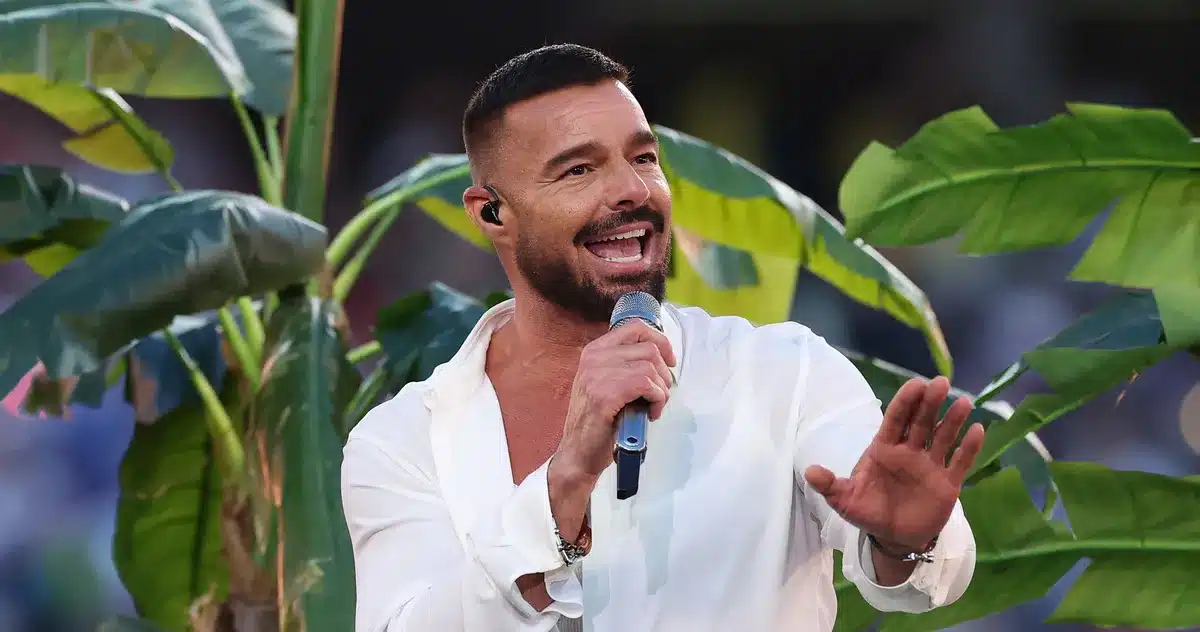
- Compared to past halftime shows, Bad Bunny’s performance stood out for its unique cultural focus and political undertones, with even Ricky Martin showing his support.
Introduction: The Spectacle of the Super Bowl Halftime Show
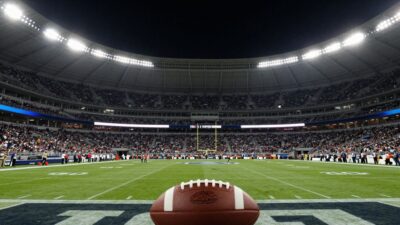
Every year, the Super Bowl halftime show transforms from a simple break in the football game into a massive cultural event. It’s more than just music; it’s a full-blown production designed to capture the attention of millions. Think about past performances – from the iconic energy of lady gaga super bowl to the vibrant sounds of artists like ricky martin superbowl, each show aims to be memorable. This spectacle is a huge part of the superbowl halftime show experience, often becoming as talked about as the game itself. It’s a unique platform where music, visuals, and sometimes even social messages come together.
Here’s what usually makes up the halftime show:
- Massive Stage Production: Elaborate sets that are built and dismantled in minutes.
- Star Power: Headliners bringing their biggest hits and often surprise guests.
- Choreography: Intricate dance routines that fill the field.
- Visual Effects: Lights, pyrotechnics, and screens creating a dazzling display.
It’s a tough act to follow, and the pressure is always on for the next performer to top what came before. We’re all curious to see who will win Super Bowl 2026, but the half time show is a competition all its own. It’s a moment where artists can reach a massive audience, blending entertainment with cultural statements. The goal is always to create something that people will talk about long after the final whistle blows, and sometimes, it even sparks conversations about things beyond the game, like who won who won super bowl 2026.
Bad Bunny’s Unprecedented Performance
The Highs: What Worked Brilliantly
Bad Bunny’s Super Bowl halftime show was a vibrant explosion of culture and sound, a performance that felt both massive and deeply personal. He truly brought the spirit of Puerto Rico to the global stage. The energy was infectious from the moment he appeared, and it rarely let up. It was a masterclass in connecting with a huge audience, even if you didn’t understand every word.
Hit Song Medley and Crowd Engagement
The setlist was a smart mix of his biggest hits, pulling from his most recent album, Debí Tirar Más Fotos, and earlier fan favorites. Tracks like “Baile Inolvidable” and “Monaco” got the crowd moving instantly. What really stood out was how Bad Bunny interacted with the stadium; he wasn’t just singing at people, he was performing with them. The way he moved and commanded the stage made everyone feel like they were part of the party. It felt like a genuine celebration, not just a concert.
Visuals and Stage Production
Visually, the show was stunning. The stage design was intricate, incorporating elements that paid homage to the island. Think lush greenery, vibrant colors, and dynamic lighting that shifted with each song. It wasn’t just a backdrop; it was an active participant in the performance, enhancing the mood and the storytelling. The choreography was sharp and energetic, featuring a diverse group of dancers who moved with incredible precision. It was clear a lot of thought went into every visual element, making it a feast for the eyes.
Cultural Impact and Representation
This was more than just a halftime show; it was a significant cultural moment. Bad Bunny, whose real name is Benito Antonio Martínez Ocasio, used this massive platform to showcase Latin culture in a way rarely seen at the Super Bowl. He name-dropped various Latin American countries and celebrated his heritage, making it clear that this performance was for his people. Seeing artists like Karol G and Young Miko get shine, even briefly, alongside him, felt like a win for the entire Latin music scene. It was a powerful statement about representation and the global reach of Spanish-language music.
The Lows: Where the Show Fell Short
While the performance was largely a triumph, it wasn’t without its minor stumbles. Like any live, massive event, there were moments that could have been smoother.
Technical Glitches or Sound Issues
There were a few instances where the audio seemed a little off, particularly during some of the transitions between songs. A couple of times, the backing track felt a bit too loud, almost drowning out Bad Bunny’s vocals. It wasn’t a constant problem, but in a show this polished, any technical hiccup is noticeable. It’s a tough gig, though, managing sound for a stadium this size.
Song Selection and Pacing
Fifteen minutes isn’t a lot of time to fit in a career’s worth of hits. While the song choices were generally strong, some fans might have wished for a different track or two. The pacing felt a little rushed in the middle section, trying to cram in too many songs without enough breathing room. A few more seconds to let a big hit sink in, or a slightly longer pause for a guest appearance, might have made the flow feel more natural.
Guest Appearances (or Lack Thereof)
Rumors were flying about who might show up, and while some familiar faces like Ricky Martin and Pedro Pascal made brief appearances, it felt a bit like a missed opportunity for bigger surprises. While it’s great that the focus remained on Bad Bunny, a surprise cameo from someone like Lady Gaga or even a quick nod to other Latin stars like Jessica Alba or someone from his circle like Young Miko could have added another layer of excitement. It left some wondering if more could have been done with the guest spots.
The performance was a bold statement, a celebration of identity, and a reminder of the power of music to unite. It wasn’t just about the songs; it was about the message of love and pride Bad Bunny projected. He’s proven that you don’t need to sing in English to be the biggest star in the world, and that’s a huge deal. His net worth might be impressive, but his cultural impact is even greater.
| Aspect | Rating (out of 5) | Notes |
|---|---|---|
| Energy & Engagement | 5 | Incredible connection with the audience |
| Visuals & Production | 4.5 | Stunning stage and choreography |
| Cultural Message | 5 | Powerful representation of Puerto Rico |
| Song Selection | 4 | Mostly hits, but felt a bit rushed |
| Guest Appearances | 3.5 | Some notable cameos, but could be more |
Comparing Bad Bunny to Past Halftime Shows
It’s always interesting to see how a Super Bowl halftime show stacks up against the ones that came before. When you think about past performers, you’ve got the big rock legends like The Rolling Stones, pop icons like Lady Gaga, and even a surprise appearance from someone like Elmo. Bad Bunny’s performance definitely carved out its own unique space.
While many artists stick to English hits, Bad Bunny’s choice to perform primarily in Spanish was a bold move. This wasn’t just about singing songs; it was a celebration of Puerto Rican culture and Latin American pride. We saw nods to his heritage, like the barber shop imagery and references to everyday life back home. This focus on representation is something we haven’t always seen at this scale during the halftime show. It’s a far cry from, say, a performance focused solely on chart-topping English singles.
Looking at the numbers, it’s tough to get exact comparisons for viewership specifically tied to the halftime show itself, as it’s part of the overall Super Bowl broadcast. However, Bad Bunny’s global appeal is undeniable. He’s one of the most streamed artists worldwide, and his halftime show likely drew in a massive audience, including many who might not typically tune into the Super Bowl.
Here’s a quick look at how some past shows were received:
- The Spectacle Factor: From pyrotechnics to elaborate staging, each show tries to outdo the last. Bad Bunny’s use of dancers as ‘maintenance men’ fixing power lines during “El Apagón” was a visually striking example of this.
- Musical Variety: While some shows are a medley of a single artist’s biggest hits, others bring out a parade of guest stars. Bad Bunny had a few notable cameos, but the focus remained squarely on his own music and message.
- Cultural Moments: Think about Janet Jackson’s performance or Prince’s iconic set. These moments become part of pop culture history. Bad Bunny’s show aimed to create a similar lasting impression by highlighting his roots and sending a message of love over hate.
The Super Bowl halftime show has evolved from a simple musical interlude to a global cultural event. Each performer brings their own flavor, but Bad Bunny’s set felt particularly significant in its unapologetic embrace of his identity and heritage, making it stand out from many previous iterations.
It’s hard to say if Bad Bunny is older than Jon Hamm, but at 31 years old during his performance, he brought a youthful energy that contrasted with some of the more seasoned performers we’ve seen. The overall reception suggests that this bad bunny halftime show was a success in its own right, pushing boundaries and offering a different kind of spectacle than we’re used to.
Conclusion: Was Bad Bunny’s Halftime Show a Success?
So, was Bad Bunny’s Super Bowl halftime show a win? Looking back, it’s pretty clear this was more than just a performance; it was a statement. Bad Bunny didn’t just sing songs; he brought a piece of his world to the biggest stage in American entertainment. He managed to blend massive spectacle with genuine cultural pride, something not every artist can pull off. The show definitely had its high points, like the energetic song medley that had everyone hooked and the really impressive stage production. It felt like a celebration of Latin culture, and that’s a big deal for representation.
Of course, no show is perfect. There were moments where the pacing felt a little off, and maybe a few more guest stars could have added another layer. But honestly, the core of the performance was so strong, those minor points don’t really take away from the overall impact. It was a bold move to perform mostly in Spanish, and it paid off, showing that music truly transcends language barriers.
The show served as a powerful reminder that the Super Bowl stage can be used for more than just entertainment; it can be a platform for cultural expression and a nod to important social issues, like the energy crisis in Puerto Rico highlighted during “El Apagon.”
Ultimately, Bad Bunny’s halftime show was a success because it was unapologetically him. He stayed true to his roots and his message, which is exactly what people wanted to see. It wasn’t just about the music; it was about the moment and what it represented for so many. It definitely left a lasting impression and will be talked about for a long time, proving that a different kind of Super Bowl halftime show is not only possible but can be incredibly impactful. It was a historic moment for Latin heritage in mainstream American media.
So, What’s the Verdict?
Alright, so Bad Bunny’s Super Bowl halftime show. It was definitely something, right? He brought a whole lot of energy and a clear message about love and unity, which is pretty cool. Some folks loved every second, calling it a game-changer and a proud moment for Puerto Rico and Latin culture. Others? Well, they might have been expecting something different, maybe more of the usual big-name hits or a different vibe altogether. It wasn’t just a concert; it felt like he was trying to say something bigger, touching on issues and celebrating his roots. Whether you thought it was a total hit or missed the mark a bit, you can’t deny it got people talking. It was a halftime show that definitely left its mark, for better or worse.
Frequently Asked Questions
What made Bad Bunny’s Super Bowl halftime show special?
Bad Bunny’s show was a big deal because he brought a lot of Puerto Rican culture to the stage. He sang his hits, had cool visuals, and even featured special guests. It was a celebration of his heritage and Latin America, with a message of love over hate at the end.
Did Bad Bunny perform songs in English?
Mostly, Bad Bunny performed in Spanish, which is his primary language. However, he did say ‘God Bless America’ in English at the end of his performance, showing a connection to the broader audience.
Who were some of the guest stars during the halftime show?
Several famous faces joined Bad Bunny on stage. This included actors like Pedro Pascal, and fellow artists such as Lady Gaga, Karol G, and Cardi B, adding extra excitement to the performance.
What was the message behind Bad Bunny’s halftime show?
Bad Bunny wanted to share his pride in Puerto Rico and Latin America. He also sent a strong message about unity and love, ending the show with the words, ‘The only thing more powerful than hate is love,’ encouraging people to choose kindness.
Were there any technical problems during the show?
While the show was mostly a success, there were some reports of minor technical issues or sound problems, which can sometimes happen during large live events. However, these didn’t seem to take away too much from the overall experience.
How did Bad Bunny’s halftime show compare to others?
Bad Bunny’s performance was unique because it heavily featured Spanish-language music and Puerto Rican culture, which isn’t always seen on the Super Bowl stage. It was praised for its energy, representation, and powerful messages, making it stand out from many previous halftime shows.